Why Everyone Knows a Freelance Marketer Now
Ten years ago, hiring a freelance digital marketer meant finding someone on a message board and hoping for the best. Now it's a real career path with its own tools, its own platforms, and its own client expectations. Sites like Upwork and Fiverr turned freelancing into infrastructure. Remote work stopped being a perk and became normal. And a lot of talented marketers looked at agency life, the overhead, the office politics, the client roster they didn't choose, and decided they didn't need an agency logo to do good work.
The result: more businesses than ever are running their marketing through one or two freelancers instead of a full team. It's not a fad. It's a real shift in how small and mid-sized companies buy marketing help, and it's worth understanding both sides before you pick a path, because the two options solve different problems.
What You Actually Get With a Freelancer
Lower Cost, More Flexibility
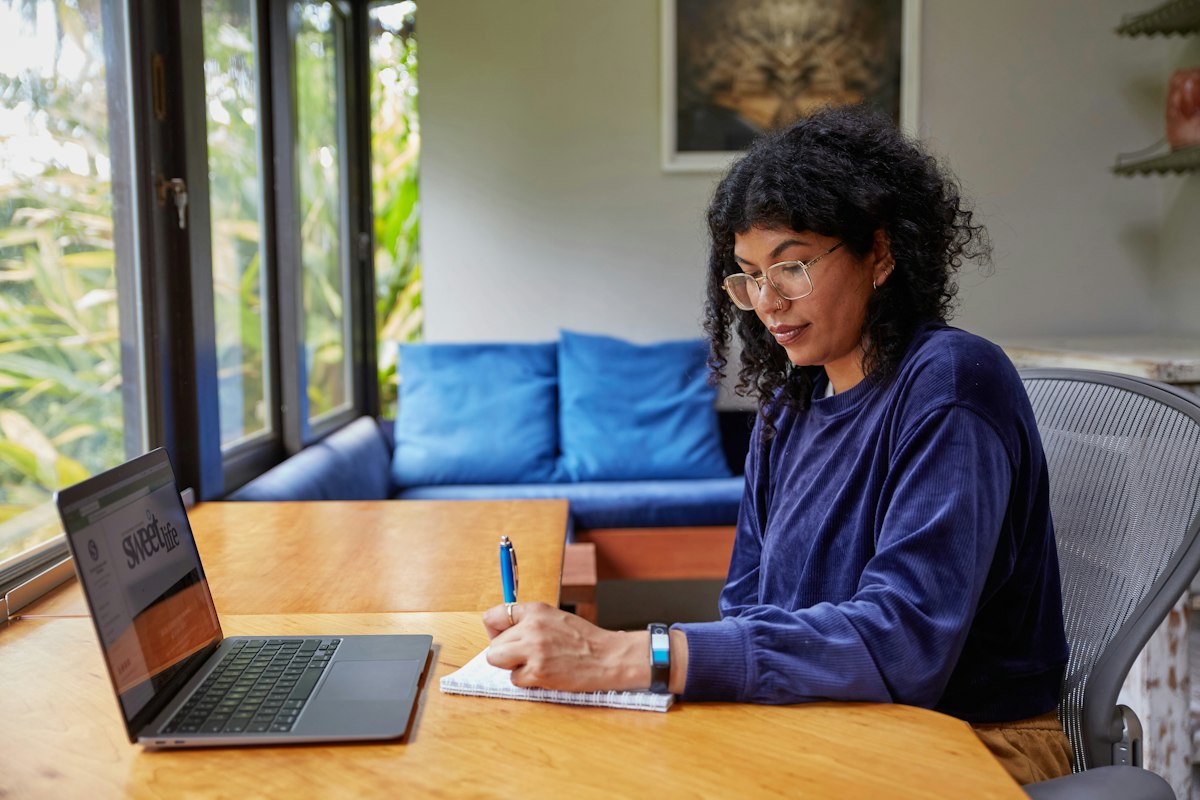
A freelancer's overhead is a laptop and a calendar. No office lease, no account managers, no layers of people between you and the person doing the work. That usually means a lower rate than an agency charges for the same hours, and it means you're often talking directly to the person running your campaigns instead of a middleman relaying updates secondhand.
Freelancers also tend to move fast. There's no internal approval chain to get through before a change goes live. If you need someone to jump in for three months on a single project, a freelancer is often the more practical hire than staffing up a full team you won't need in month four.
A Direct Relationship
Working with one person instead of a team means fewer handoffs and less lost context. The person who set up your campaigns is the person who knows why they're set up that way. For businesses that want a close, hands-on relationship with whoever's touching their ad accounts, that's a real advantage, and it's a big part of why the freelance model has taken off.
Specialists You Couldn't Otherwise Afford
Some of the best people in a narrow discipline, a specific ad platform, a specific type of email flow, a specific niche of SEO, choose to freelance rather than join an agency, because it lets them go deep on the one thing they're best at instead of spreading across a client roster's worth of channels. If your business needs exactly that one skill done well, a specialist freelancer can outperform a generalist team on that single front.

Where Freelance Digital Marketing Falls Short
None of this means freelancing is the better option in every case. It has real limits, and a fair look at freelance marketing has to include them, not just the upside.
Capacity Is a Real Constraint
A freelancer only has so many hours in a week, and most are juggling more than one client. When something urgent comes up, like a campaign that needs to be paused at 11pm or a landing page that breaks the day before a launch, you're waiting on one person's availability. There's no one else on the bench to pick up the work while they're heads-down somewhere else.
No Backup When Life Happens
If your freelancer gets sick, goes on vacation, or takes on a new full-time job, your marketing goes with them. There's no coverage plan, no second person who already knows your accounts and can step in without a two-week ramp-up. That risk is easy to ignore until the week it actually happens.
A Narrower Skill Range
Digital marketing isn't one skill, it's several: paid search, paid social, SEO, email, analytics, creative, and more. Most freelancers are genuinely strong in one or two of those areas and competent in a few others. A full team spreads that range across specialists, so a media buyer isn't also trying to be a copywriter and an analyst on the same afternoon, and a strategy doesn't stall because the one person who understands it is out sick.

How to Decide What's Right for Your Business
The honest answer is that it depends on what you actually need, and there's no single right answer for every business. A few questions help sort it out:
- Is the work narrow and well-defined, like managing one ad account, or does it span multiple channels that need to work together toward one goal?
- What happens to your business if your marketing person is unreachable for two weeks?
- Do you need one skill done well, or several skills coordinated toward one strategy?
- Is this a short-term project or an ongoing function you'll depend on for years?
A freelancer can be exactly the right call for a defined project, a single channel, or a business that isn't ready for a bigger retainer yet. An agency earns its keep when the work spans multiple channels, needs coverage that doesn't disappear when one person is out, or has grown past what one person can carry alone. Some businesses land somewhere in between, using a freelancer for one specialized piece of the puzzle while an agency handles the strategy that ties everything together. There's nothing wrong with that combination if it fits how your business actually operates.
The Bottom Line
Freelance digital marketing isn't a trend to dismiss or a shortcut to be wary of. It's a legitimate option that works well for the right business at the right stage. The real question isn't freelancer or agency, it's what does my business actually need right now, and what happens if that need grows or the person handling it isn't available. Answer that honestly, and the right choice tends to be obvious.