Somewhere in the last two years, "should we still be doing social media" stopped being a real question. The right question is which platforms, for what purpose, and how much effort it deserves relative to everything else on the marketing plate. If you're still asking whether it matters at all, here's the short answer: yes, and probably more than it did five years ago, just not for the reasons most people assume.
Search volume around the phrase "importance of social media for business" isn't huge, and that's telling in its own way. Most business owners aren't asking whether they need a presence anymore. They already assume the answer is yes. The actual gap is between having an account and using it the way customers now expect.
Why the old case for social media is outdated
The original pitch for business social media was reach. Post consistently, build a following, get free distribution. That math broke a long time ago. Organic reach on most platforms is a fraction of what it was, and algorithms increasingly favor entertainment over promotion. If reach was the only reason your business had a social presence, you've probably already noticed the return shrinking.
But the platforms didn't get less important, they got repurposed. People stopped treating them as a broadcast channel and started treating them as a search engine, a customer service line, and a trust check all in one. A business that still treats its accounts as a place to post announcements once a month is using 2015's playbook on a 2026 audience.
Search behavior has quietly shifted
A growing share of people, especially under 40, start a product or service search on TikTok, Instagram, or YouTube before they ever open Google. They're not looking for an ad. They're looking for real reviews, real results, and real people talking about a business the way a friend would. If your business has no presence where that search is happening, you're invisible to a search that's already happening, whether you show up in it or not.
This is sometimes called social search, and it's not a fringe habit anymore. It changes what "being findable" means. Ranking on Google still matters, but it's no longer the whole picture. A business can rank well and still lose the customer who checked Instagram first and found nothing current there.
Community and trust do more than reach ever did
Reach tells you how many people saw a post. It doesn't tell you whether they believed it. Community does. A business with an active, responsive social presence signals something a polished website can't: there are real people behind this, and they show up.
What actually builds that trust
- Answering comments and DMs instead of letting them sit unanswered
- Showing the people and process behind the business, not just the finished product
- Posting consistently enough that a new visitor can tell the account is active
- Sharing customer results and reactions instead of only self-promotion
None of that requires a huge following. A small, engaged audience that trusts you converts better than a large, passive one that doesn't. Follower count is a vanity number. Response rate and comment quality are the numbers that actually predict whether someone books, buys, or walks away.
Customer service now happens in public
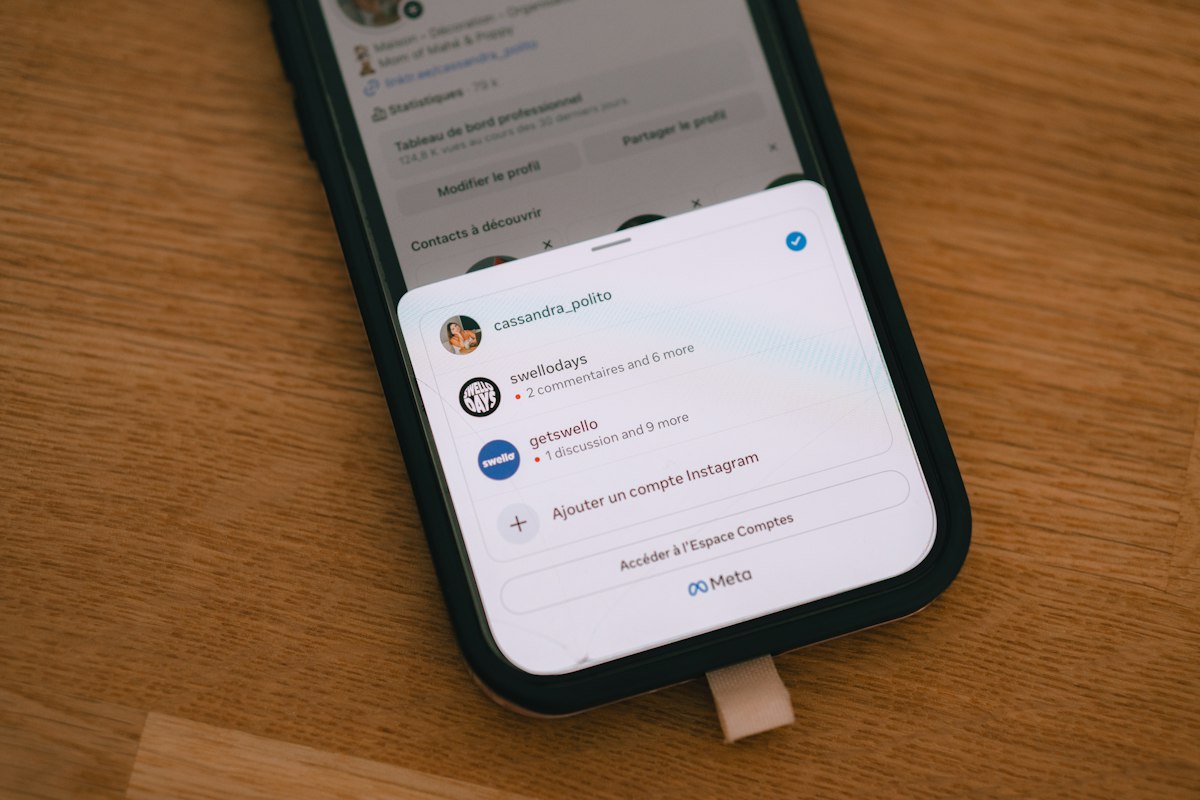
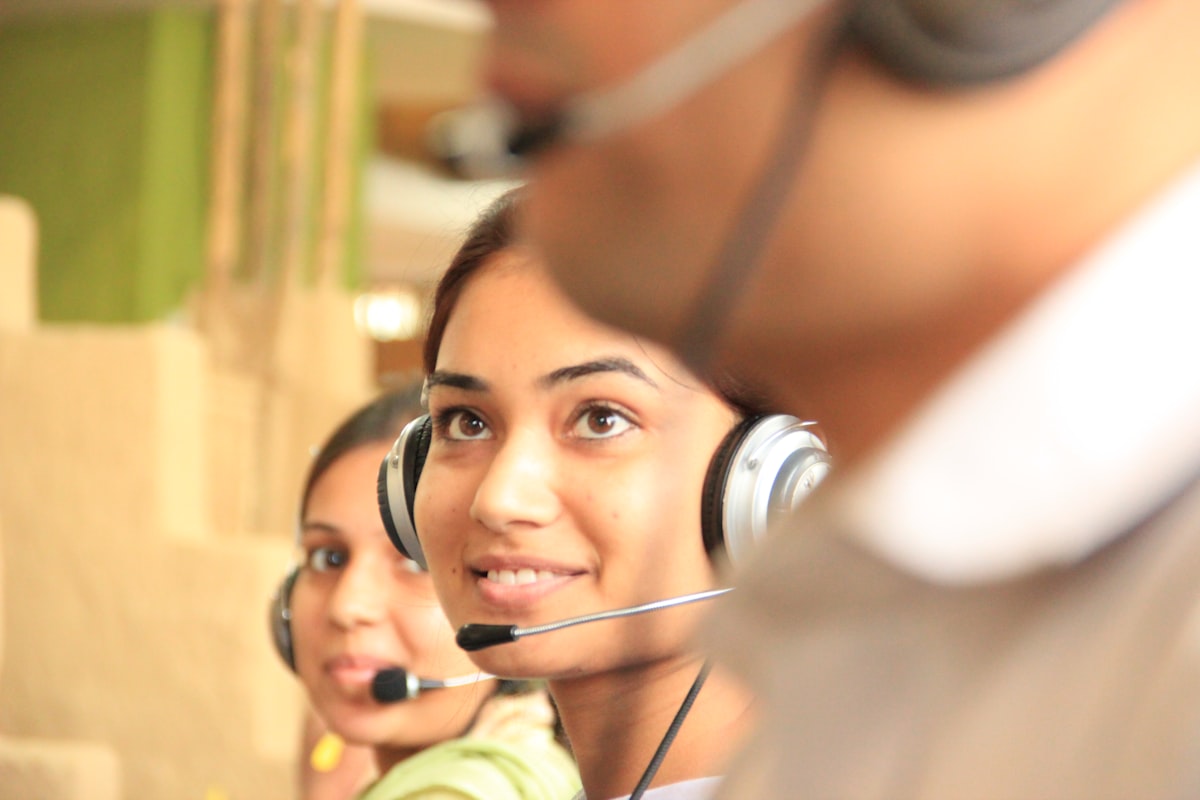
Customers increasingly expect to be able to message a business on social media and get a real answer, not a redirect to a contact form. A slow or missing response isn't just a lost customer, it's visible to everyone else who happens to see the comment or the unanswered DM.
What that means for response time
Treat your social inboxes the way you'd treat a ringing phone at the front desk. A same-day response is the baseline now, not a nice-to-have. Businesses that get this right turn public complaints into public proof that they handle problems well. Businesses that get it wrong let a bad moment sit there for anyone to find later.
Organic versus paid: the real math today
Organic social won't replace paid advertising, and anyone telling you it will is selling something. But organic still does jobs paid can't: it builds the library of proof a potential customer checks before they buy, and it keeps your brand present in the free moments people spend scrolling instead of searching.
Where organic still earns its keep
Think of organic social as the evidence locker for your paid ads. A cold prospect who clicks an ad will often check your profile before they check out. If that profile is empty, inconsistent, or hasn't posted in months, the ad spend behind that click gets wasted the moment they land there. Organic doesn't need to go viral to do this job. It just needs to look active, current, and real.
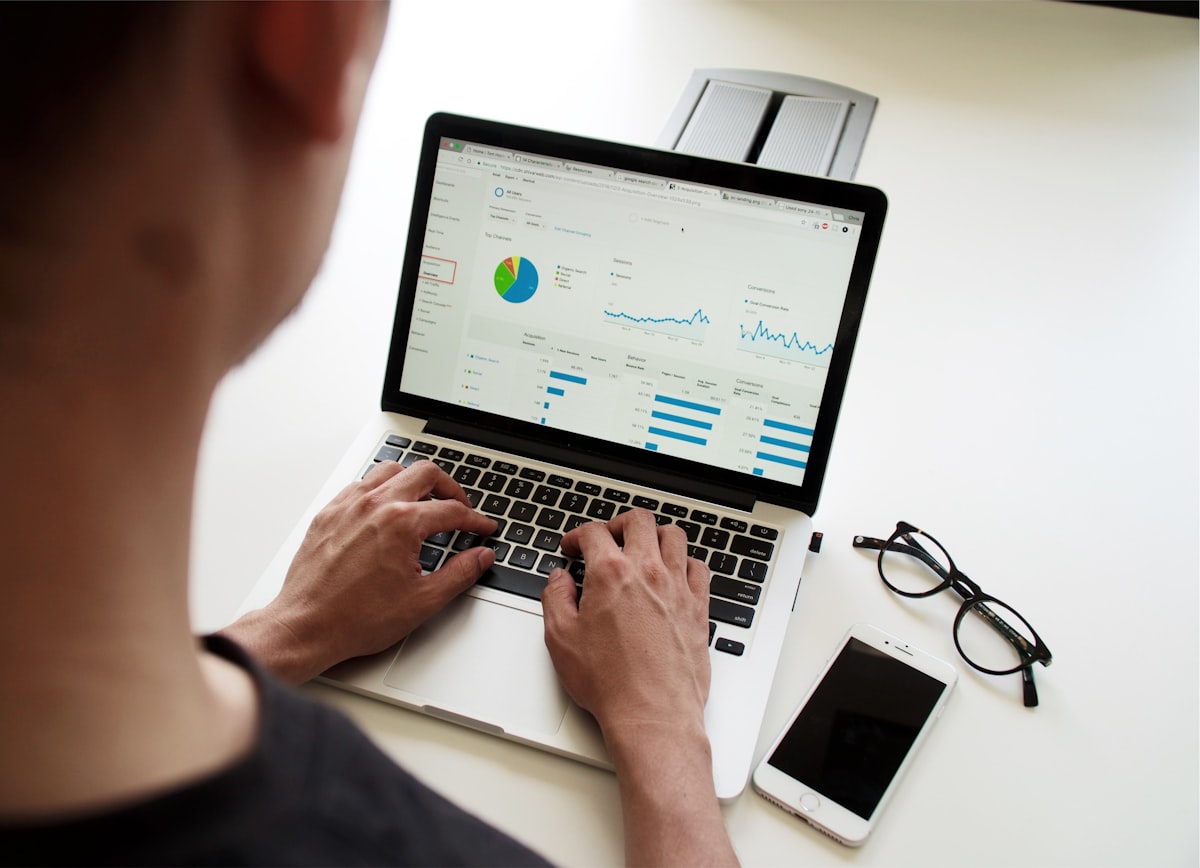
This is also why "we tried social media and it didn't work" is usually a measurement problem, not a channel problem. Organic posts rarely convert on their own, in the same way a storefront window rarely closes a sale by itself. It sets up the sale that a search, an ad, or a referral finishes later. Judging it purely on likes and shares misses the job it's actually doing.
What to actually do with this
You don't need to be everywhere. Pick the one or two platforms where your actual customers spend time, answer every comment and message like it's a phone call, and post often enough that your profile looks like a business that's open, not one that closed a year ago and forgot to take the sign down. That's the bar. It's lower than most people think, and most businesses still aren't clearing it.