
Why SEO Best Practices Still Matter
Most businesses treat SEO like a checklist they finished once and never touch again. That's the wrong way to think about it. Search engines change constantly, and the sites that keep ranking are the ones that treat SEO best practices as an ongoing discipline, not a one time project. If your site was optimized three years ago and hasn't been touched since, it's probably losing ground right now, even if nothing looks broken on the surface.
The good news is that the fundamentals haven't changed as much as the marketing industry likes to claim. Search engines still want to serve people the most relevant, most trustworthy, easiest to use result. Everything below comes back to that one idea.
The SEO Best Practices That Actually Move the Needle
Get the Technical Foundation Right First
Before you write another blog post or build another link, make sure your site is actually crawlable and fast. A page can have great copy and still rank poorly if it loads slowly, isn't mobile friendly, or has broken internal links that stop search engines from finding your other pages. Technical SEO isn't glamorous, but it's the floor everything else stands on. Skip it, and every other tactic on this list works against a foundation that's already fighting you.
- Make sure every important page can be found within a few clicks from your homepage.
- Fix broken links and redirect chains instead of letting them pile up.
- Check your site speed on both desktop and mobile, not just one or the other.
- Confirm your XML sitemap is current and actually submitted to Google Search Console.
Write for the Person, Then Optimize for the Engine
On-page SEO gets treated like a formula: stuff the keyword in the title, the first paragraph, a header, and call it done. That approach reads exactly like what it is, and search engines are good at spotting it. The better order of operations is to write something genuinely useful for the person searching, then go back and make sure the keyword and its natural variations show up in the title tag, the URL, the headers, and the image alt text.
Search intent matters more than exact keyword matching at this point. Someone typing in seo best practices wants a practical answer, not a dictionary definition. Match the format of your page to what the person is actually looking for, whether that's a step by step guide, a comparison, or a quick list they can act on today.
Headers matter more than people give them credit for too. A page with clear, descriptive H2s and H3s helps both readers and search engines understand what's actually on the page, and it's one of the easiest fixes available if your existing content is just one long wall of text.

Build Authority Instead of Chasing Links
Backlinks still matter, but the sites that win long term aren't the ones running link building campaigns. They're the ones publishing something worth linking to in the first place. A useful guide, a genuinely helpful tool, or a clear answer to a common question earns links on its own over time. Outreach can speed that up, but it only works if you have something worth sharing to begin with.
Useful SEO Tools Worth Knowing
You don't need a dozen subscriptions to do this well. A handful of tools cover almost everything most businesses need.
Google Search Console
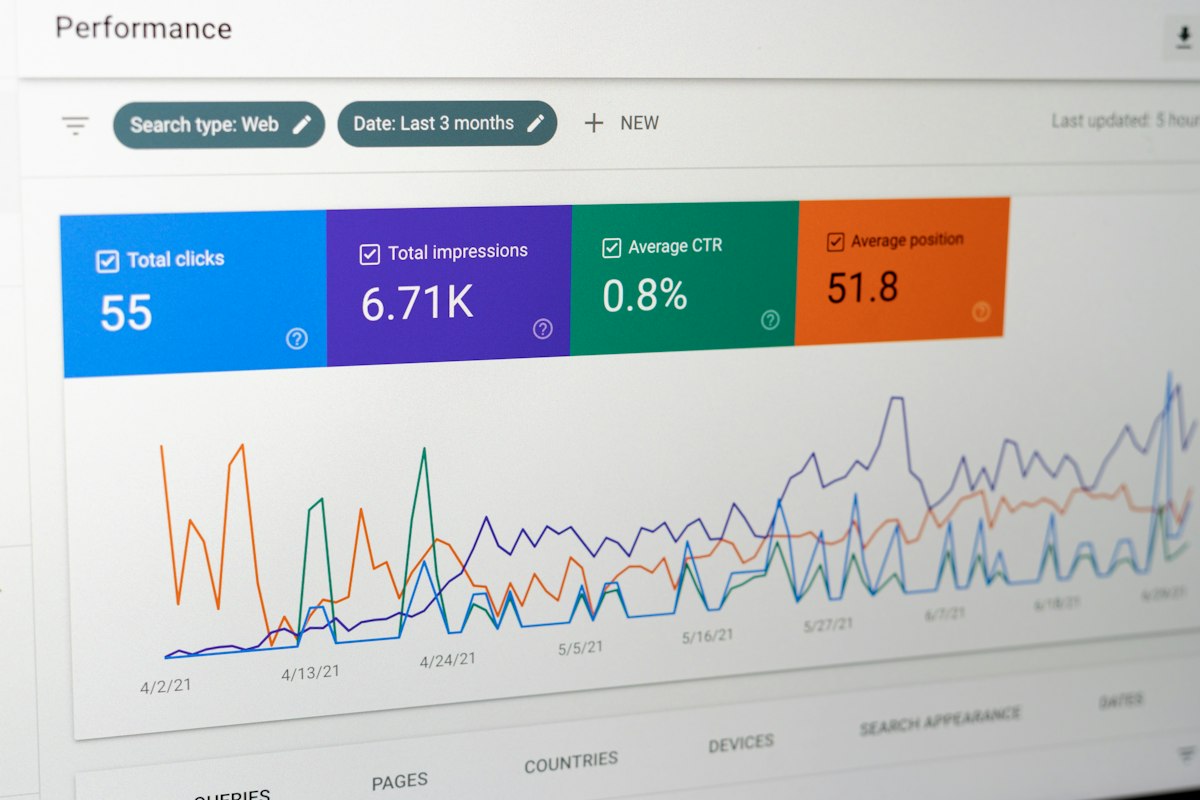
This one is free and non-negotiable. It shows you exactly which queries are bringing people to your site, which pages are struggling, and whether Google is running into indexing problems you don't already know about. If you're only going to use one tool from this list, use this one.

Keyword and Competitive Research Platforms
Tools in this category, the well known names are Ahrefs and Semrush, show you search volume, keyword difficulty, and what your competitors are ranking for that you aren't. That last part is usually the most useful piece. Finding a gap where a competitor ranks and you don't tells you exactly where to focus next.
Site Crawlers
A crawler tool like Screaming Frog scans your entire site the way a search engine would, and flags the technical issues a normal walkthrough would miss: duplicate title tags, missing meta descriptions, broken redirects, and pages with no internal links pointing to them. Running a crawl a few times a year catches problems before they quietly cost you rankings.
None of these tools do the work for you. They point at what's wrong and let you decide what to fix first, which matters more than people expect. A tool that flags fifty issues isn't useful if you don't know which five actually affect rankings.
Where to Actually Start
If none of this has been touched in a while, don't try to fix everything in one sitting. Start with the technical basics, since nothing else works if search engines can't crawl and load your site properly. Then move to on-page fixes on your highest value pages, the ones already generating some traffic or revenue. Content and link building come after that, once the foundation underneath them is solid.
SEO best practices aren't complicated. They just take consistency, and most sites don't have it.